
Navigating Myanmar’s Complex Landscape: A Comprehensive Overview
Size and Geography:
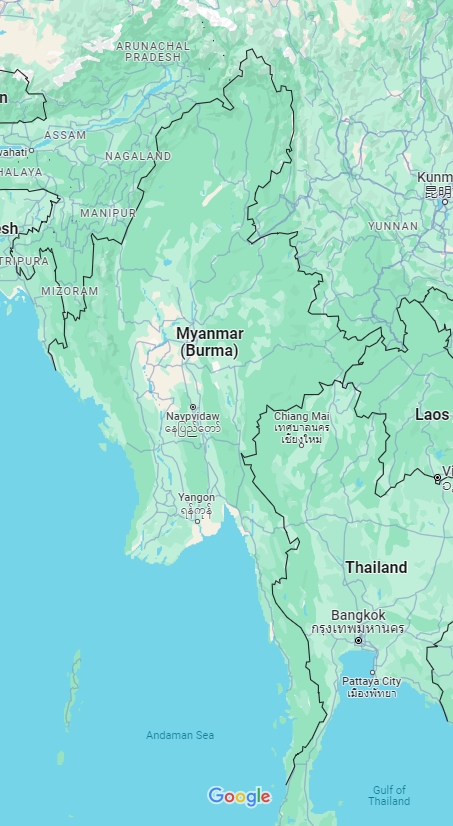
Myanmar, the largest country in Southeast Asia, spans approximately 676,578 square kilometers. It boasts diverse landscapes, from rugged mountains to fertile plains, with the iconic Irrawaddy River weaving through its heart.
Population and Ethnicity:
Home to over 54 million people, Myanmar is a mosaic of ethnicities. The Bamar, Shan, Karen, Rakhine, and other groups contribute to the nation’s cultural richness.
Cultures and Traditions:
Myanmar’s cultural fabric is woven with threads of Theravada Buddhism, evident in its pagodas, temples, and traditional arts. Festivals like Thingyan (Water Festival) and Tazaungdaing Lights Festival showcase the vibrant spirit of the people.
Education System:
Educational reforms are reshaping Myanmar’s system, aiming for improved access and quality. Universities in Yangon and Mandalay are focal points for academic growth.
Economics and Business:
Myanmar’s economy is multifaceted, driven by agriculture, manufacturing, and services. Recent years have seen foreign investment grow, particularly in energy, telecommunications, and infrastructure.
Latest Developments:
Myanmar has experienced transformative changes, including political shifts and economic reforms. Efforts towards sustainable development, technology adoption, and infrastructure upgrades are underway.
The Political Landscape: The 2021 Coup
Myanmar faced a significant turning point in 2021 when a military coup disrupted the democratic transition. The military seized control, detaining political leaders and leading to widespread protests. The events have added a layer of complexity to Myanmar’s trajectory.
Challenges and Opportunities:
While Myanmar grapples with challenges like ethnic conflicts, human rights concerns, and environmental issues, its resilience and commitment to progress remain evident.
The Role of Burmese Students:
Burmese students play a crucial role in the country’s narrative. Often at the forefront of social and political movements, students contribute significantly to advocating for democratic principles and social justice. Their engagement reflects a deep commitment to shaping Myanmar’s future.
Myanmar – Burmese Students Abroad:
A notable diaspora of Myanmari/Burmese students pursues education abroad, contributing to global academia and bringing diverse perspectives to international communities. These students act as cultural ambassadors, fostering understanding and collaboration between Myanmar and the wider world.
Tourism:
Despite challenges, Myanmar continues to allure global tourists. Destinations like Bagan and Inle Lake offer glimpses into the country’s beauty. Sustainable tourism initiatives aim to balance exploration with conservation.
Conclusion:
Myanmar stands at a crossroads, juggling tradition and modernity amidst a complex socio-political landscape. As it navigates these challenges, the nation invites the world to witness its journey, appreciate its beauty, and understand the dynamics shaping its future. In this narrative, Burmese students emerge as catalysts for change and ambassadors for Myanmar’s cultural richness.